Wedding Couple Laser Cut SVG Review
As a designer who spends half my life staring at stitch density charts and the other half worrying about whether a customer’s embroidery will actually survive a wash cycle, I don’t just buy designs; I stress-test them. When Wedding Couple Laser Cut SVG landed in my inbox, my first instinct wasn’t to immediately load it into the hoop. It was to ask: does this silhouette hold up when translated from a flat vector into three-dimensional thread?
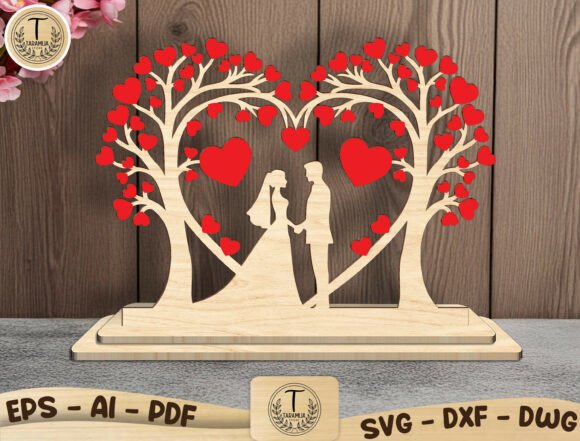
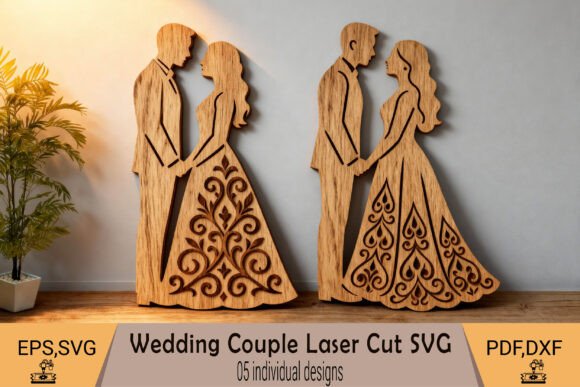
This collection contains 05 individual wedding-couple silhouette designs, supplied in SVG, DXF, EPS and PDF file formats. Crafted for laser cutting and compatible with machines such as Cricut, Silhouette, and others, these files are marketed toward makers. But for us in the embroidery world, the real question is how they translate to textile art. After spending an afternoon digitizing and testing these shapes on various fabrics, here is my practical breakdown of where this design fits in your workflow.
The First Impression: Mood and Visual Weight
Silhouettes are deceptive. They look simple until you try to embroider them. The immediate appeal of this set is its clean, romantic aesthetic. The couple is depicted in a classic embrace, which instantly communicates love, union, and celebration without needing complex facial features or intricate background details. This simplicity is actually its greatest strength for machine embroidery.
Because the design relies on solid shapes rather than fine lines, it translates beautifully into fill stitches. There is no risk of tiny, jagged edges fraying after a few laundry cycles. The visual personality is timeless—it feels less like a trendy graphic and more like a classic emblem. For a small business owner looking to create consistent brand assets, this kind of reliable, recognizable imagery is gold. It creates a mood that is warm and inviting, perfect for bridal showers, anniversary gifts, or newlywed home decor.
Real-World Application: Where This Design Shines
I tested this embroidery file across several common product categories to see where it truly excels. The results were quite telling.
- Custom Apparel: On a high-quality cotton sweatshirt, the silhouette popped with incredible clarity. The contrast between the thread and the fabric texture gave it a premium feel. It works exceptionally well as a centered chest logo or a larger back print for a "Just Married" outfit.
- Tote Bags: Canvas is a forgiving fabric, but it can be thick. This design held its structure well because the shape is broad and stable. It makes for a fantastic tote bag design for wedding guests or bridal party favors.
- Baby Items: Surprisingly, this isn't just for weddings. The gentle curve of the embrace makes it suitable for nursery decor or baby blankets. However, you would want to scale it down significantly and perhaps soften the color palette to pastels.
- Applique Projects: Since the original files are provided in multiple formats including SVG and DXF, this is also a prime candidate for an applique design. You could cut the fabric using the laser-cut versions and then use a satin stitch to secure the edges, creating a layered, textured look that elevates the finished product.
For an Etsy seller or craft fair vendor, versatility is key. Having five variations means you can offer a range of options—perhaps one holding hands, another dancing, etc.—without overwhelming your inventory. It allows for better design assets management and keeps your shop looking fresh.
Technical Considerations and Potential Pitfalls
No design is perfect, and being honest about limitations is part of professional review. While this machine embroidery design is robust, there are specific scenarios where you need to exercise caution.
First, consider the stitch density. If you are working with a lightweight or stretchy fabric, such as thin jersey or silk, a large solid fill stitch can cause puckering. Always test on scrap fabric first. If the fabric is too delicate, you might need to use a heavier stabilizer or reduce the size of the design slightly to minimize the pull on the material.
Another area to watch is the detail level. While silhouettes are generally safe, check the connection points between the two figures. In some digital designs, the negative space between arms or legs can become too narrow, causing the thread to break or the shape to distort. Inspect the small details closely before committing to a full production run.
Color contrast is also critical. On dark fabric, ensure your thread choice provides enough visibility. A black silhouette on a navy shirt might get lost. Conversely, white thread on a light cream pillow cover lacks definition. Use proper thread colors that stand out against your chosen fabric texture.
Specific Use Cases to Avoid or Modify
- Small Hoop Sizes: If you are trying to fit this into a very small hoop (under 4x4 inches), the proportions might look cramped. Ensure the hoop size allows the embrace to breathe.
- Curved Surfaces: While it works on caps, the flat nature of a silhouette might not wrap perfectly around the front panel of a structured hat without distortion. Test this carefully.
- Frequent Washing: For items like kitchen towels or aprons that will undergo heavy laundering, ensure you are using high-quality polyester or rayon threads to prevent fading or fraying over time.
Practical Designer Notes for Success
To get the best result from this embroidery project, follow these steps before stitching your final piece:
- Mockup Testing: Before cutting any expensive fabric, test the design in black and white mockups. This helps you visualize the balance and weight of the shape without being distracted by color.
- Stabilizer Selection: Use a cut-away stabilizer for woven fabrics and a tear-away for knits, depending on the garment's stretch. Proper stabilization is the difference between a professional finish and a messy backside.
- Licensing Check: Confirm licensing before selling finished items or digital products. Even if the design is for personal use, understanding the commercial rights protects your craft business.
- Thread Comparison: Compare light and dark fabric backgrounds side-by-side. Sometimes a thread that looks good on one swatch looks dull on another due to lighting and texture differences.
Final Verdict
The Wedding Couple Laser Cut SVG is a solid addition to any designer’s library. It offers a blend of romantic sentiment and technical reliability that makes it easy to sell. Whether you are creating personalized gifts for friends or building a line of small shop products for your online store, this design provides a strong foundation.
It avoids the pitfalls of overly complex digitization while still delivering emotional impact. For the right maker—one who pays attention to fabric choice and stabilization—this finished product will look as good as it feels. It’s not just a design; it’s a tool for creating memorable, handmade moments.