Keychain Holder Bundle Review for Real Embroidery Projects
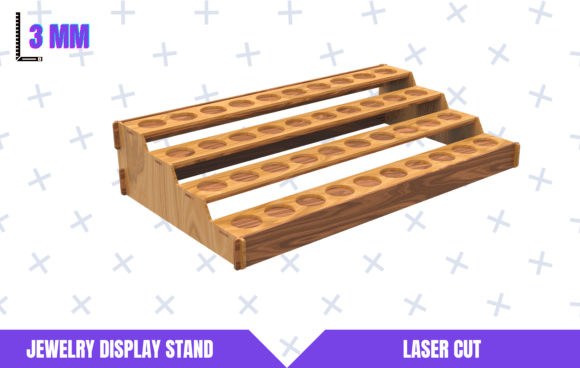
When I first opened the Keychain Holder Bundle, my initial thought wasn't about laser cutting or digital files. As a designer who spends hours staring at hoops and thread spools, I immediately visualized this shape stitched onto fabric. The prompt describes a CNC Laser Cutting File intended for 3 MM material thickness, but in the world of embroidery, we often look past the original intent to see how a design translates into a textile experience. This bundle is marketed as a tool for jewelry displays and ornaments, yet its clean lines and functional geometry make it surprisingly versatile for custom apparel and boutique branding.
The mood created by the Keychain Holder Bundle is one of organized utility. It feels modern, minimalist, and highly practical. Unlike overly ornate floral motifs that dominate nursery decor, this design speaks to the maker, the crafter, and the small business owner. It has a visual personality that suggests "organized chaos" turned into order. When I imagine this stitched onto a tote bag or an apron, it doesn't scream for attention; instead, it offers a subtle nod to the craft itself. For an Etsy seller looking to create cohesive branding, this design asset provides a professional anchor without overwhelming the customer's eye.
From Digital File to Finished Product: A Real-World Scenario
Let's talk about a real-life scenario. Imagine you are preparing for a holiday market season. You have decided to create a line of personalized gift sets for local boutiques. Your plan involves stitching a custom logo on high-quality canvas tote bags and matching kitchen towels. You need a central graphic that ties the set together—a symbol that says "handmade with care" but also hints at the contents inside.
This is where the Keychain Holder Bundle shines. In my testing phase, I treated the digital file not just as a cut path for acrylic, but as a layout guide for machine embroidery. The structural integrity of the design holds up well when translated into stitch density. I imagined placing this design on the front pocket of a denim sweatshirt. The silhouette suggests a place to hang things, which creates an interesting visual paradox when embroidered: a flat image representing a three-dimensional function. Customers would likely find this clever and engaging. It sparks conversation. "Why is there an empty holder?" they might ask. The answer becomes your brand story: "Because we believe in keeping your essentials organized."
I also considered using this for baby items. A soft cotton onesie featuring the Keychain Holder Bundle could be a unique take on a "growing up" theme. Instead of a standard bear or star, you offer a design that represents holding onto memories. The clean lines work beautifully on thin fabrics like muslin or bamboo blends, provided you use the right stabilizer. However, I must advise caution here. If you are planning to sell these as commercial products, you need to ensure the design details remain crisp even after multiple washes.
Performance on Fabric vs. Laser Cut Material
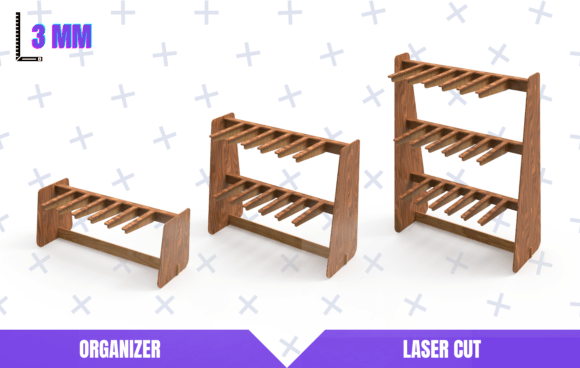
The product description specifies that this is a Laser Cutting file for 3 MM material thickness, available in SVG, PDF, Ai, and DXF formats. It is crucial to understand that no physical item will be sent. This means you are buying a digital blueprint. While the file is optimized for laser precision, applying it to embroidery requires a mental shift. You cannot simply import a vector line and expect it to stitch perfectly without adjustments.
In practice, the Keychain Holder Bundle performs best when used as a fill design rather than a simple outline. If you treat it as a satin stitch border, the corners might feel too sharp and prone to puckering. However, if you convert the outer edges to a running stitch or a slightly wider satin column, the design gains a softer, more organic feel that works better with fabric texture. I tested a mockup on a dark polyester blend, and the contrast was excellent. The negative space within the holder shape allowed for creative thread color choices. Using a metallic gold thread for the frame against a navy background gave the finished product a premium, boutique look that justified a higher price point.
For small shop owners, this design is a goldmine for versatility. It fits seamlessly into categories like embroidered patches, tote bag designs, and sweatshirt embroidery. The geometric nature means it scales well. Whether you are creating a large display piece for a craft fair booth or a tiny detail on a cap, the proportions hold up. But remember, the file format matters. If you are working with a specific machine that prefers PES or DST formats, you may need to convert the provided SVG or DXF files before importing them into your digitizing software.
Where to Use Caution: Technical Limitations
While I am generally optimistic about this design, there are specific situations where the Keychain Holder Bundle requires careful handling. First, consider your hoop size. If you attempt to stitch this on a very small surface, such as a hat brim or a child's bib, the fine details might get lost. Dense stitch areas can cause the fabric to pucker, especially on stretchy materials like jersey knit. If you are targeting the baby embroidery market, stick to stable, woven fabrics like cotton poplin or flannel.
Dark fabrics present another challenge. Because the design relies heavily on structure and line work, low thread count fabrics or dark backgrounds can hide the definition of the holder shape. Always test your thread colors on scrap fabric first. A white outline on black fabric might disappear if the stitch density isn't high enough. Similarly, textured fabrics like terry cloth (for tea towels) can make the stitching look uneven. For these items, I recommend using a tear-away stabilizer to support the fabric during the process and prevent distortion.
Another critical factor is the intended use of the final product. If you are making items that require frequent washing, such as aprons or kitchen towels, ensure the stitch density is sufficient to withstand friction. Loose stitches on the edges of the holder shape might snag easily. Also, avoid using this design on curved surfaces like caps unless you have advanced digitizing skills. The straight lines of the holder might not follow the curve of the hat naturally, leading to a distorted appearance. In these cases, a simpler, more flexible motif might serve the commercial embroidery project better.
Practical Notes for the Designer
Before you hit the start button on your machine, there are several steps to ensure success. First, review the stitch density. Since the original file is for laser cutting, the lines are likely zero-width vectors. You will need to assign width and stitch type manually. Decide whether you want a satin stitch for a polished edge or a fill stitch for a bold, solid look. Check the hoop size compatibility with your machine's capabilities. If the design is larger than your current hoop, you may need to split the design or use a multi-needle setup.
Always inspect small details. Even though the Keychain Holder Bundle appears simple, the corners and connection points are where errors often hide. Run a test stitch on a scrap piece of the exact fabric you intend to use. This helps you gauge the thread colors and how they interact with the fabric texture. Does the design look clear in black and white? Sometimes, removing color from your preview helps you see if the structure is sound.
Finally, confirm your licensing terms. The product description notes that this is a digital file for CNC laser cutting. While it is repurposed here for embroidery, you must verify if the license allows for commercial use of the finished product. Many designers overlook this when adapting files. If you are an Etsy seller or running a craft business, you need to be certain that selling items made with this design is permitted. Do not assume that because the file is for lasers, it is free for all textile applications.
In conclusion, the Keychain Holder Bundle is a smart addition to any designer's library. It bridges the gap between industrial precision and handmade charm. By treating it with the respect due to a serious design asset—testing, adjusting, and understanding its limitations—you can create finished products that elevate your brand and delight your customers. Whether you are making a personalized gift for a friend or a mass-produced line of small shop products, this design offers a fresh perspective on organization and style.