Display Pie Box Dieline Template for Laser Cutting and Shadow Boxes
I recently received a request to evaluate a specific graphic design asset before integrating it into my upcoming seasonal collection. The file in question is the Display Pie Box Dieline Template. As someone who has spent years selling digital downloads on platforms like Etsy and Creative Fabrica, I approach every new asset with a mix of excitement and skepticism. Does it have the commercial viability to drive sales? Is the file structure clean enough for my customers? And most importantly, does it fit the aesthetic of my brand?
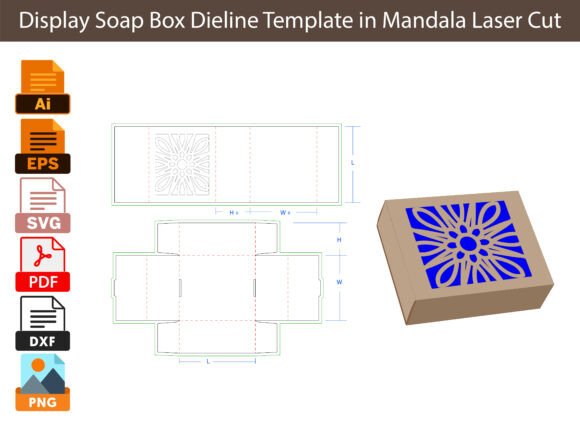
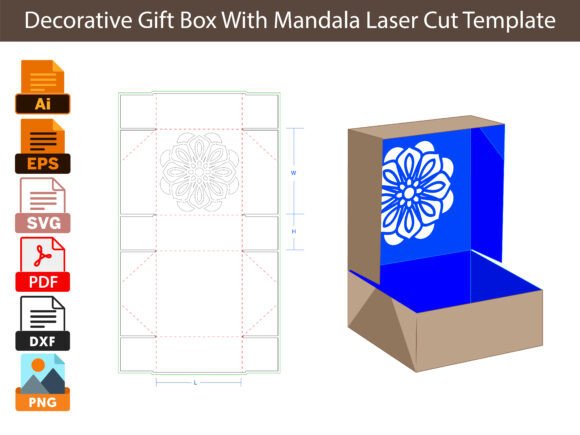
My initial impression of the Display Pie Box Dieline Template was positive. It immediately conveyed a sense of elegance and intricate detail, largely due to the included Mandala pattern. This isn't just a plain outline; it has a distinct visual personality that leans towards the decorative and premium side of the market. For a seller looking to create high perceived value, this asset offers a sophisticated look that stands out against the sea of generic geometric shapes often found in digital product marketplaces.
If you are looking for a LASER CUT Box Dieline Template, then the "Display pie Box Dieline Template With Mandala Pattern would be great to be a part of this project. They are suitable for creating you" unique packaging solutions. However, from a business perspective, we need to look deeper than the description. How does this translate to actual revenue? In my experience, assets with this level of detail work exceptionally well as focal points for Shadow Boxes or as standalone laser-cut art pieces. The mandala element adds a layer of complexity that suggests a handmade quality, even when produced digitally.
Real-World Application: Testing the Asset for Sales
To truly understand the potential of this design asset, I simulated a launch scenario for a mock shop focused on wedding favors and home decor. The goal was to test the Display Pie Box Dieline Template across various product types without committing to a full inventory build-out. Here is how I approached the testing phase.
First, I considered the versatility of the file. While it is marketed primarily as a dieline for laser cutting, its vector nature makes it adaptable for other uses. I tested it as an SVG design for Cricut projects, ensuring the cut lines were precise and not overly tangled. This is crucial for crafters who use Silhouette machines or Cricut devices; if the paths are messy, your customer base will quickly leave negative reviews. I also converted the design into a PNG design to see how it performed as a sticker design or a sublimation design for tumblers and mugs.
The results were promising. When used as a sublimation design, the mandala pattern held up well at 300 DPI, offering crisp details that looked professional on white and light-colored substrates. However, I noticed that on dark backgrounds, the contrast dropped significantly unless I added a white backing layer. This taught me a valuable lesson about visual hierarchy: this asset works best when paired with lighter colors or when used as a cutout against a contrasting background.
Expanding the Product Line with Display Pie Box Dieline Template
One of the biggest advantages of owning a versatile commercial design like this is the ability to expand your product line without starting from scratch. Once I had the core vector file, I could easily branch out into different categories.
- Printable Wall Art: I created a series of framed prints where the pie box shape served as the frame itself. This appealed to buyers looking for modern, geometric wall decor.
- Invitation Templates: By adding space for text within the mandala sections, I developed a set of elegant invitation templates for birthdays and showers.
- Planner Stickers: Although the design is complex, I scaled it down to create a sheet of planner stickers. These worked well as "weekly highlight" elements.
- Tote Bag Prints: A large-scale version of the template made a stunning graphic for tote bag prints, appealing to those who want a unique shopping accessory.
- Nursery Prints: The soft curves of the mandala pattern translated surprisingly well to nursery decor, especially when rendered in pastel color palettes.
This flexibility allows a small business owner to maximize the return on investment for a single purchase. Instead of buying ten different clipart bundles, one high-quality illustration can serve multiple purposes across your shop.
Strategic Product Presentation and Mockups
In the world of online selling, presentation is everything. A product mockup can make or break a listing. I used the Display Pie Box Dieline Template to create several mockup previews to test click-through rates. The intricate nature of the mandala pattern naturally draws the eye, making it an excellent candidate for thumbnail appeal.
I placed the design inside a shadow box context to show depth and dimension. This visual storytelling technique helped customers visualize the final physical product, which is essential for print-on-demand sellers. When customers can clearly see how the item looks in a real-world setting, their trust increases, and the perceived value goes up. I also experimented with placing the design on social media graphics to promote the collection, finding that the bold lines stood out well in mobile feeds.
However, there are areas where this asset requires careful handling. For tiny sticker details, the mandala pattern might become too cluttered to cut cleanly. Similarly, in crowded thumbnails, the fine lines might disappear if the image resolution is too low. I advise against using this design for text-heavy templates where readability is paramount, as the decorative elements can compete with the message. Always verify PNG transparency and inspect SVG cut quality when relevant to ensure the final output meets professional standards.
Practical Seller Notes for Implementation
Before you add this digital download to your inventory, there are a few practical steps to take to ensure success. First, test the design on real mockups. Don't just rely on the software preview; export it to a standard print size and check the edges.
Secondly, consider your font pairings. The ornate nature of the mandala pattern pairs beautifully with serif fonts for a classic look, or script fonts for a romantic touch. However, avoid pairing it with heavy display fonts that might clash visually. A clean sans-serif font often provides the best balance for modern branding.
Finally, confirm the commercial license before selling finished products. Ensure you have the right to resell the design in both digital and physical formats. Organize your files clearly for customers, including separate folders for the source vector files, the raster images, and any instructions. This attention to detail is what separates a hobbyist from a professional creative entrepreneur.
Final Thoughts on Commercial Viability
The Display Pie Box Dieline Template is more than just a technical file; it is a tool for building a cohesive brand identity. Whether you are a Canva template seller, a Cricut user, or a content creator looking for fresh visuals, this asset offers a solid foundation for your next collection. Its blend of geometric structure and organic mandala patterns gives it a unique niche appeal that resonates with buyers seeking something special.
By testing it across various mediums—from t-shirt designs to promotional visuals—you can determine exactly where it fits best in your workflow. While it may not be the perfect solution for every single product type, its strengths in decorative layouts and packaging design make it a valuable addition to any designer's toolkit. If you are ready to elevate your handmade business with a touch of elegance and precision, this template is definitely worth exploring.