Anatomical Organs Laser Cut SVG for Wall Decor
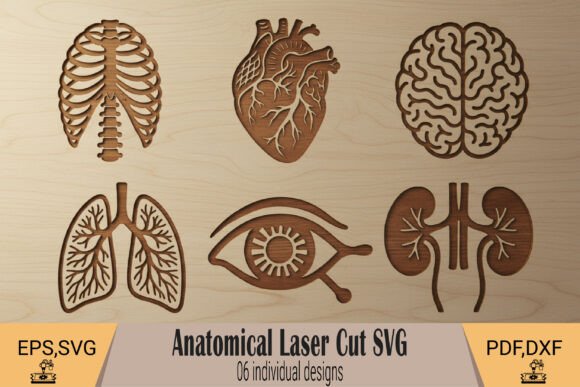
When a client approaches me with a request for "dramatic," "educational," or "visually striking" branding, I immediately think about texture and negative space. Recently, I was tasked with developing a visual identity for a boutique medical wellness center that wanted to move away from sterile clinical aesthetics and toward something more organic, artistic, and deeply human. The goal was to create marketing visuals that felt modern yet grounded in biological reality. This is where the Anatomical Organs Laser Cut SVG came into play. It wasn’t just a clipart download; it was a foundational graphic design asset that helped bridge the gap between scientific accuracy and high-end interior design.
First Impressions: Mood and Visual Weight
The moment I opened the file, the quality of the vector paths was evident. Unlike many low-resolution PNG designs found on creative marketplaces, this bundle offered clean, mathematically precise curves essential for professional output. The mood created by these six fully-complementary anatomical organ designs is sophisticated and slightly gothic, but without being macabre. It evokes a sense of wonder regarding the human body, making it perfect for projects that require emotional appeal and audience engagement.
For our wellness center client, we weren't looking for cartoonish illustrations. We needed a style that could hold its own as a hero graphic on a website header or as a subtle watermark on packaging design materials. The Anatomical Organs Laser Cut SVG delivers exactly that: a modern design language that respects the complexity of anatomy while remaining accessible. It fits naturally into themes of holistic health, vintage science, and artisanal craftsmanship.
Real-World Application: From Concept to Commercial Design
In my experience working with small business branding, versatility is key. A single asset must perform across multiple touchpoints. Here is how this specific design bundle performed during our mockup phase:
- Packaging Design & Product Labels: We used the heart and lung silhouettes as die-cut templates for premium soap boxes. The laser-cut effect adds a tactile dimension that digital printing alone cannot replicate. This elevated the perceived value of the product, turning a simple item into a collectible piece.
- Social Media Graphics: For Instagram posts and Pinterest pins, we isolated individual organs against dark backgrounds. The high contrast created immediate visual hierarchy, drawing the eye before the user even read the caption. These served as excellent supporting brand elements for educational content series.
- Printable Wall Art: The original intent of the asset—crafting dramatic wall decor—was tested extensively. We created a triptych layout featuring the brain, heart, and liver. When printed on heavy matte cardstock, the intricate details held up beautifully, proving its suitability for editorial design and home office aesthetics.
- T-Shirt Design & Merchandise: While anatomical themes can sometimes lean too heavily into subculture fashion, here they were softened by the clean line work. They worked exceptionally well as minimalist t-shirt design options for medical students or biology enthusiasts, offering a cleaner look than traditional text-heavy apparel.
Strategic Placement: Where It Shines and Where to Hesitate
Not every design asset fits every context. As a designer, part of my job is knowing when not to use a complex graphic. The Anatomical Organs Laser Cut SVG is powerful, but it demands respect in terms of layout management.
Best Use Cases:
- Large Layout Areas: Because the detail lies in the cut lines, these assets need room to breathe. They are ideal for large format prints, banner ads, and hero images on web design projects.
- Decorative Accents: Use them as borders or corner flourishes on invitations or certificates. They add weight and seriousness to the document without overwhelming the primary text.
- Campaign Visuals: For health awareness campaigns (like Heart Month or Brain Health Week), these icons provide instant recognition and trust, leveraging visual cues that audiences already understand.
Areas Requiring Caution:
- Small Sizes: If you scale this down to favicon size or tiny social media avatars, the intricate cuts will disappear or become muddy. Always test at 100% and 50% scale before finalizing.
- Crowded Layouts: Do not place this over busy photographic backgrounds. It requires isolation to maintain its integrity. In minimalist branding, it might feel too heavy unless balanced with significant white space.
- Professional Corporate Materials: For strict corporate law or finance firms, this asset may clash with the required tone of conservative professionalism. It is better suited for creative industries, healthcare startups, or lifestyle brands.
Technical Considerations for Professional Output
Before integrating any design bundle into a client project, rigorous testing is non-negotiable. Here are the practical designer notes I followed to ensure the Anatomical Organs Laser Cut SVG met our commercial standards:
File Format Inspection: The inclusion of SVG, DXF, EPS, and PDF files is a major advantage. The SVG allowed for infinite scalability in Adobe Illustrator, ensuring no loss of quality. The DXF file was crucial for preparing the art for CNC machines and Cricut projects, confirming that the tool paths were correctly oriented for cutting rather than just printing.
Contrast and Readability: I placed the black vector shapes on both light cream and deep navy backgrounds. On light backgrounds, the negative space became the focal point, creating an airy, elegant feel. On dark backgrounds, the shapes popped with intensity, suitable for bold marketing visuals. I also converted the design to pure black and white to check for any unintended gray areas caused by compression artifacts—a common issue with poorly exported PNG designs.
Typography Pairing: To ensure brand consistency, I experimented with font pairings. A sturdy sans serif font provided a modern counterpoint to the organic curves of the organs. Alternatively, a classic serif font enhanced the vintage scientific aesthetic. Script fonts were generally avoided, as they competed with the delicate lines of the illustration, disrupting the overall visual harmony.
Mockup Testing: Digital screens lie. I printed the designs on various paper stocks—from glossy photo paper to textured cotton rag—to see how the ink absorbed. The sharp edges remained crisp, which is vital for sticker design and vinyl decal applications. This step confirmed that the asset would translate well to physical products like tote bags, mugs, and enamel pins.
Final Verdict: A Versatile Creative Asset
The Anatomical Organs Laser Cut SVG is more than just a collection of images; it is a toolkit for storytellers. Whether you are a digital seller looking to expand your Etsy product catalog, a print-on-demand entrepreneur seeking unique sublimation designs, or a marketer crafting a campaign that needs to stand out, this asset provides a strong foundation. It supports the creation of cohesive brand identities that feel both educated and artistic.
However, success depends on execution. You must respect the negative space, choose appropriate backgrounds, and always verify the commercial license before using it for profit-generating activities. When used correctly, this design asset elevates ordinary projects into memorable experiences. It transforms simple shapes into symbols of life, health, and creativity, making it a worthy addition to any serious designer’s library of design assets.
If you are ready to bring a touch of anatomical elegance to your next creative design endeavor, this bundle offers the technical reliability and aesthetic depth required for professional results. Just remember: good design isn't just about what you add, but how you arrange what you have. Let these organs guide your composition, and let the precision of the vector work speak for itself.