Advent Calendar - Laser Cut - 25 Houses
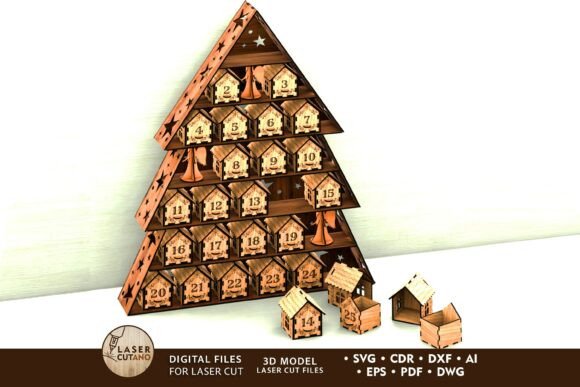
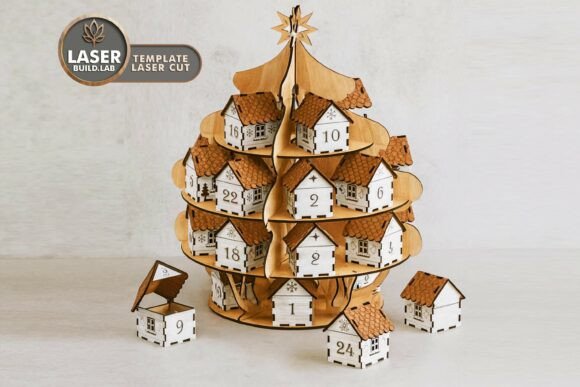
As a designer who has spent years testing embroidery files for both personal holiday projects and commercial boutique collections, I know that the difference between a good design and a great one often comes down to context. When I first encountered Advent Calendar - Laser Cut - 25 Houses, my initial reaction wasn't just about the festive theme; it was about the structural potential of the layout. This isn't a standard tree or a simple snowflake. It is a layered composition featuring 25 distinct miniature houses, designed to function as a visual countdown while offering incredible depth when stitched.
The product description highlights its unique shape—a Christmas tree composed of individual homes—and suggests a "stunning layered" effect. For an embroidery designer, this immediately signals a need for careful planning regarding stitch density and fabric choice. The concept of using this design as a functional advent calendar, where each house can theoretically hold a small surprise, adds a tactile dimension that elevates it above a purely decorative motif. However, translating a laser-cut aesthetic into thread requires a realistic assessment of how the design behaves on actual materials.
First Impressions: Mood and Visual Personality
The moment you open the file for Advent Calendar - Laser Cut - 25 Houses, the mood shifts from generic holiday cheer to something cozy and architectural. The arrangement of the 25 houses creates a natural rhythm that guides the eye upward, mimicking the silhouette of a traditional tree but with more character. This design feels particularly suited for winter-themed projects where texture and detail are paramount.
What stands out most is the potential for a mixed-stitch approach. The roofs of the houses would likely benefit from satin stitches to give them a crisp, defined edge, while the walls could utilize fill stitches to create a solid, warm background. If the file includes running stitches for windows or doors, it would add a delicate touch that prevents the design from feeling too heavy. The "laser cut" aspect mentioned in the title suggests sharp angles and clean lines, which are challenging to replicate perfectly in machine embroidery without proper stabilization. The design promises a high-end look that can elevate a simple tote bag or sweatshirt into a statement piece.
Real-World Application: A Boutique Scenario
To truly understand the value of this design, let's imagine a practical scenario. You are an Etsy seller preparing for the holiday rush, looking to create a limited-run line of personalized gifts for local boutiques. You decide to use Advent Calendar - Laser Cut - 25 Houses on a custom embroidered canvas tote bag intended for a family of five.
Here is where the design shines. Unlike a single large monogram, this multi-house layout allows for customization. You could embroider the family name across the bottom row of houses or use different thread colors for specific families within the design. When finished, the tote becomes more than just a bag; it becomes a conversation starter. The layered look of the houses gives the fabric depth, making the item feel substantial and expensive. Customers buying handmade goods are looking for uniqueness, and a design that mimics a physical advent calendar structure offers a level of engagement that flat graphics cannot match.
However, the success of this project depends entirely on execution. If you place this on a thin, stretchy t-shirt, the weight of the 25 houses might cause the fabric to pucker, ruining the geometric integrity of the houses. But on a sturdy cotton canvas or a heavy-duty apron, the design holds its shape beautifully. It transforms a utilitarian item into a cherished keepsake. The same logic applies to baby clothes; imagine this design on a soft muslin swaddle blanket for a baby born in December. The 25 houses represent the days leading up to their first Christmas, adding a sentimental layer to the gift.
Technical Performance and Stitch Clarity
When evaluating Advent Calendar - Laser Cut - 25 Houses for commercial use, we must look at the technical demands. The sheer number of elements—25 separate structures—means the total stitch count will be significant. This requires a robust hoop size to accommodate the width of the tree without cutting off the outer edges of the houses. Using a small hoop for this design would force you to split the work, resulting in visible jump stitches that disrupt the flow of the tree shape.
Stitch density is another critical factor. Because the design mimics a laser-cut look, the satin stitches used for the outlines must be tight enough to prevent gaps but not so dense that they distort the fabric. If the file is optimized for a digital embroidery file format, the digitizer likely included underlay stitches to support the vertical columns of the houses. Without proper underlay, the satin stitches might sink into the fabric, losing their crisp definition. I recommend checking the stitch density settings before committing to a production run. If the density is too high on a lightweight fabric, the result will be stiff and uncomfortable. If it is too low, the design will look patchy and amateurish.
Thread color selection plays a massive role here. With 25 distinct areas, using a single color for everything might look muddy. A palette of varying reds, greens, creams, and golds can bring out the individuality of each house. However, if you are working with dark fabric, you must ensure the thread coverage is sufficient. Dark backgrounds often require multiple passes or a higher stitch count to achieve opacity, which increases the risk of puckering. In such cases, applying a stabilizer tear-away or cut-away behind the design is non-negotiable.
Navigating Challenges and Limitations
While Advent Calendar - Laser Cut - 25 Houses is versatile, there are scenarios where caution is advised. Curved surfaces, such as caps or beanies, present a significant challenge. The flat, architectural nature of the houses does not translate well to a rounded dome. Attempting to stitch this on a cap might result in distorted shapes where the houses appear slanted or compressed. Similarly, textured fabrics like fleece or heavy chenille can hide the fine details of the windows and doors, making the design look like a blur of color rather than a collection of homes.
Small hoop sizes are also a limitation. If you attempt to fit this design into a 4x4 inch hoop, the resolution will suffer. The tiny details of the 25 houses will become indistinguishable, and the overall image will lose its impact. For these reasons, this design is best reserved for larger surface areas like pillow covers, kitchen towels, or wall hangings. It is also worth noting that designs with intricate corners and detailed lettering (if any) should be tested on scrap fabric first. Frequent washing can cause fraying in high-detail areas, so using a high-quality thread and securing the ends properly is essential for durability.
Strategic Design Notes for Makers
Before you start stitching, there are several practical steps every designer should take. First, always test the design on a scrap piece of the exact fabric you plan to use. This helps you gauge the final look and feel, ensuring the thread colors provide enough contrast against the material. Review the stitch density carefully; if the design looks too crowded, consider adjusting the thread tension or changing the stitch type for certain elements.
Inspect the small details closely. In a design with 25 houses, even a slight error in the digitization of a single roofline can throw off the entire symmetry. If you are selling finished products, consistency is key. Ensure that every item you produce looks identical, maintaining brand trust. Use black and white mockups to check the value distribution of the design; sometimes, a design looks great in color but fails in terms of contrast when viewed in grayscale.
Finally, confirm your licensing terms. Whether you are creating a handmade product for a craft fair or a digital asset for a shop, understanding the rights associated with Advent Calendar - Laser Cut - 25 Houses is crucial. Does the license allow for commercial use? Can you sell the finished items? These questions determine whether you can confidently incorporate this design into your business model. If the file is part of the Winter Amp collection or involves laser cutting techniques, ensure you have the necessary permissions to reproduce the design in a textile format.
In conclusion, Advent Calendar - Laser Cut - 25 Houses is a powerful tool for designers looking to add depth and narrative to their holiday collections. It bridges the gap between digital precision and tactile warmth, offering endless possibilities for custom apparel, home decor, and personalized gifts. By approaching it with technical awareness and creative vision, you can transform a simple embroidery file into a standout product that customers will cherish for years to come.